What to Do After Property Damage
Protect people first, prevent reasonable additional damage, notify the insurer, and preserve a clear record before conditions change.
Explore related claim help
Practical Claim Guidance
Use these practical starting points to preserve records, understand the documentation process, and prepare for a conversation about an active property claim.
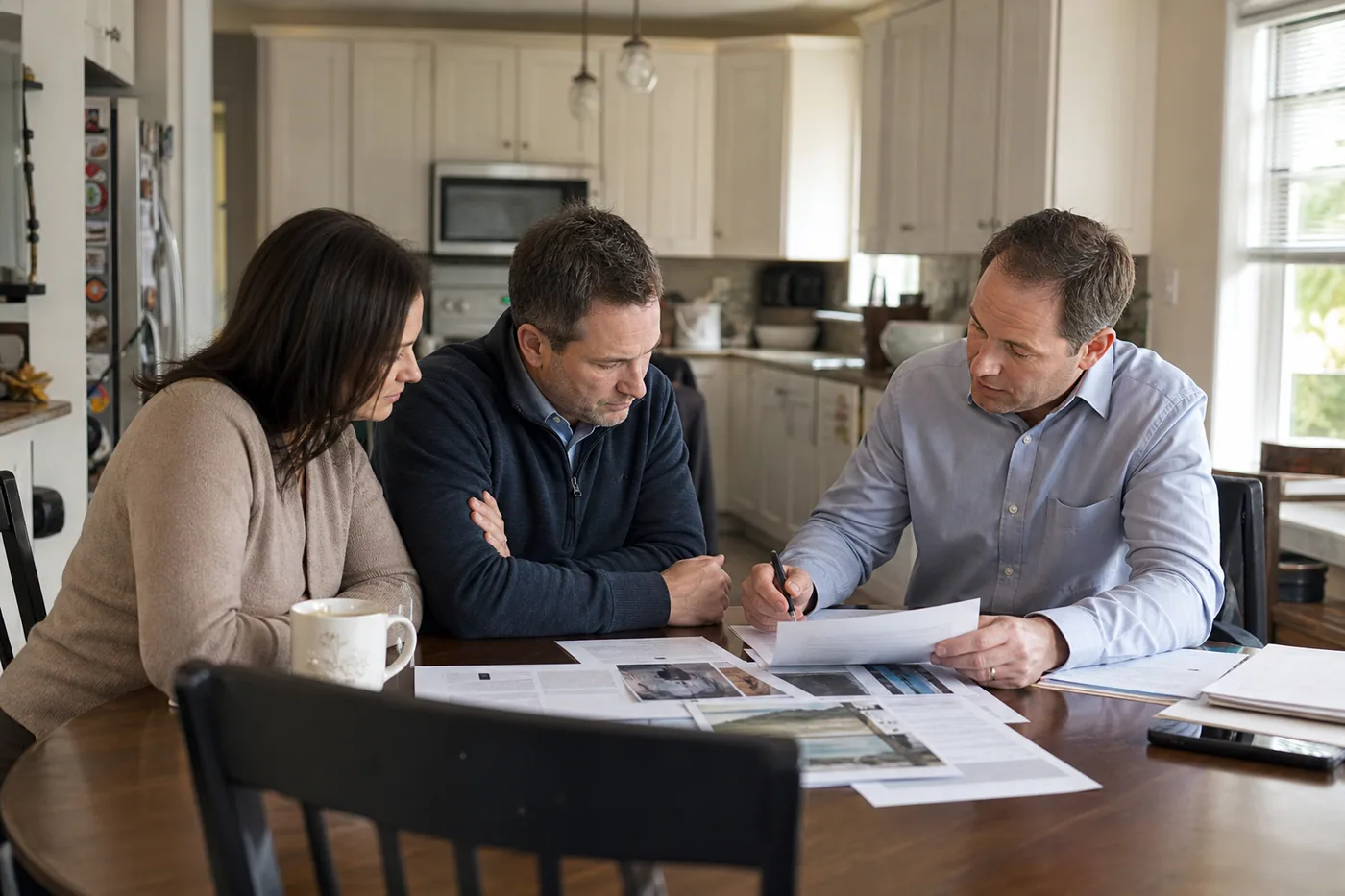
Featured Guides
These summaries are general information, not coverage or legal advice. The policy and loss facts control each claim.
Protect people first, prevent reasonable additional damage, notify the insurer, and preserve a clear record before conditions change.
Explore related claim helpSeparate structural, smoke, soot, contents, firefighting water, and temporary-living records.
Explore related claim helpRecord the source, affected rooms, moisture findings, mitigation work, removed materials, and repair estimates.
Explore related claim helpKeep pipe photographs, plumber findings, drying logs, invoices, and a floor-by-floor record of resulting damage.
Explore related claim helpDocument the event date, exterior damage, openings, temporary protection, and connected interior water effects.
Explore related claim helpGather the policy, denial letter, estimates, photographs, reports, and a dated communication timeline.
Explore related claim helpLook for omitted rooms, missing materials, unexplained quantities, disconnected interior repairs, or absent contents.
Explore related claim helpCoordinate building, equipment, inventory, tenant, expense, and interruption records around one loss timeline.
Explore related claim helpClaim File Basics
Property conditions, removed materials, temporary work, and conversations change quickly after a loss. A simple, dated record can make the claim easier to explain.
Address urgent safety concerns and take reasonable steps to prevent additional damage.
Capture wide views, close details, affected rooms, the apparent source, and temporary work when safe.
Save estimates, invoices, reports, drying logs, inventories, letters, emails, and insurer requests.
Record discovery, notice, inspections, cleanup, repairs, requests, decisions, and payments.
Clarify deadlines, requested forms, repair estimates, and claim decisions before the record becomes harder to reconstruct.
How We Work
Each claim is different. These steps keep the property damage documentation and communication organized.
Tell us what happened. We review your claim and your policy at no cost and with no obligation.
We inspect the property and document the full extent of the damage.
We organize estimates, documentation, inventories, and supporting evidence.
We communicate and negotiate with the insurance company on your behalf.
We work toward a fair settlement based on your documented loss and your policy.
Resource Categories
Questions From Property Owners
Answers are general. Coverage, deadlines, and claim options depend on the policy and facts.
Take reasonable, safe steps to prevent additional damage. Photograph conditions first when possible and keep contracts, invoices, and removed-material records.
Keep the policy, claim number, photographs, estimates, invoices, reports, inventories, and a dated log of calls, emails, inspections, and decisions.
Emergency mitigation often begins early. Preserve photographs, drying logs, agreements, invoices, and records of materials removed.
No. These guides provide general property-claim information. Consult a qualified attorney about legal rights, deadlines, or coverage disputes.
Request a free consultation and share the property type, damage, loss date, insurer response, and documents already available.
Free Consultation • No Obligation
Speak with a public adjuster about the damage, documentation, and current claim status.