Ceilings
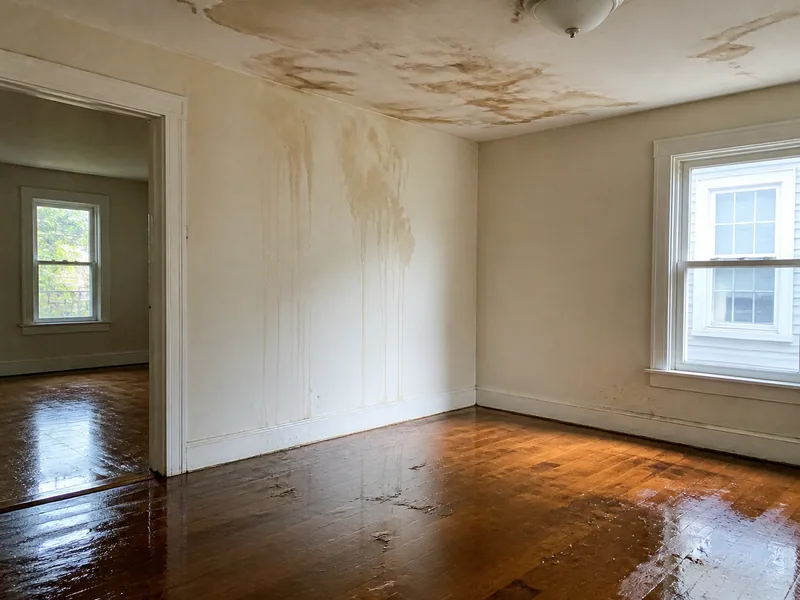
Staining, sagging, collapsed material, and damaged fixtures.

Water Damage Claim Help
Water can move behind walls, under flooring, and through several rooms before the full damage is visible. We help document the affected materials, mitigation work, cause-of-loss information, and repair scope.
Understand the Full Loss
Emergency drying often begins before the claim scope is settled. Property owners still need photographs, moisture findings, removed-material records, invoices, and a clear account of how the water entered the property.
Sudden water damage and long-term seepage may be treated differently under a policy. We focus on documenting the actual conditions without assuming that a particular cause or repair is covered.
See how our public adjuster services work Damage Scope
Staining, sagging, collapsed material, and damaged fixtures.
Wet drywall, plaster, trim, paint, insulation, and concealed cavities.
Hardwood, laminate, tile, carpet, subfloor, and transitions.
Swelling, delamination, finish damage, and affected countertops.
Furniture, electronics, clothing, inventory, and stored property.
Moisture that moved beyond the first visibly wet area.
Policyholder Support
We help turn the observed water damage into an organized claim file. The work is evidence-based and tied to the policy; it does not guarantee coverage or a particular payment.
Build the Record
Every useful record should connect to the damaged property, repair need, or applicable claim expense.
How We Work
Each claim is different. These steps keep the water damage claim documentation and communication organized.
Tell us what happened. We review your claim and your policy at no cost and with no obligation.
We inspect the property and document the full extent of the damage.
We organize estimates, documentation, inventories, and supporting evidence.
We communicate and negotiate with the insurance company on your behalf.
We work toward a fair settlement based on your documented loss and your policy.
Existing Claim Questions
The scope may stop at visible staining instead of affected cavities or layers.
An estimate may cover a patch while omitting continuous finishes or adjoining areas.
Available replacement materials may not match the existing floor, tile, or cabinetry.
The extent or cost of emergency mitigation may be questioned.
Coverage can turn on how and when the water entered the property.
Some rooms or repair tasks may be absent from the insurer estimate.
Already received a decision or payment? Review our denied and underpaid claim help.
Why Property Owners Call
Our role is to prepare and present the policyholder's property claim.
Service is centered on residential and commercial claims throughout the state.
We connect conditions, measurements, estimates, and records to the claimed loss.
We keep the documentation and insurer correspondence organized through the process.
Statewide Service
Explore city-specific claim help or contact us if your community is not listed.
View all New Jersey service areasQuestions From Property Owners
Answers are general. Coverage, deadlines, and claim options depend on the policy and facts.
Yes. Keep the mitigation agreement, drying logs, photographs, invoices, and a record of materials removed so the post-cleanup condition can be reconstructed.
When it is safe, take photographs and preserve estimates and invoices before permanent repairs. Do not delay reasonable steps needed to protect the property.
The documentation should trace every affected area and material rather than treating only the source room.
Hidden moisture may be relevant when supported by readings, inspections, or repair findings. Coverage depends on the policy and cause of loss.
Yes. We can review the existing scope, mitigation file, estimates, and claim communications for documentation gaps.
No. Flood, groundwater, plumbing releases, and wind-driven rain can be treated differently. The source and applicable policy language matter.
Free Consultation • No Obligation
Tell us what happened and where the claim stands. We’ll explain how a public adjuster may be able to help.